




This class allows participants to learn by actually using the tools while understanding the "principles" behind them.
Our staff will report on the experience.
The theme of the 7th session held on May 9th (Saturday) was "Iron Frying Pan and Ginger Pork." Chef Higuchi provided a lecture on the classic dish "Ginger Pork," which is a staple in daily meals, and how to prepare shredded cabbage as a side dish. 【Main tools for this session】


Preparation of the meat
This time, we will use thinly sliced shoulder loin. "Loin is a part that doesn't become too tough even when cooked. It's delicious when grilled and becomes tender when simmered, making it versatile," says Higuchi.

First, we start with the preparation of the meat. Ginger contains enzymes that break down proteins, so it's important to marinate the meat with a ginger-infused seasoning liquid to tenderize it. Since the skin contains a lot of enzymes, we grate it with the skin on. It's recommended to lean the grater against the tray at an angle while grating.

Setting the angle to 15-20 degrees makes it easier on the hands, it seems.
Mix the grated ginger with sake and coat the meat, letting it sit for about 10 minutes.
Shredded cabbage
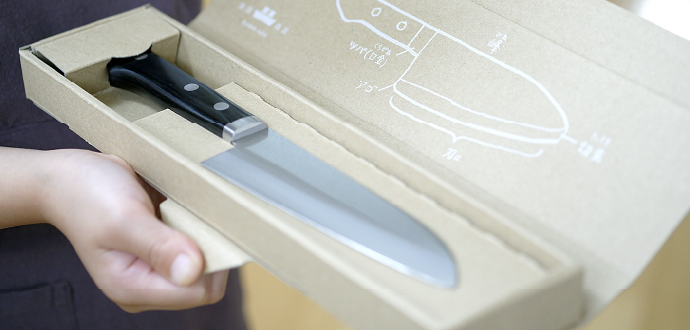
For shredding cabbage, we use the "amane Utility Knife 15cm." "While a slicer is convenient, cutting by hand results in a better texture and taste," says Higuchi. The cabbage is quartered and separated into inner and outer sections for easier cutting. Press it down flat with your hands and cut as thinly as possible, cutting through the leaf veins. The trick is to stabilize the knife by pressing the back with your index finger and slowly pushing it forward to cut.

Once finished cutting, set a colander in a bowl of water and add the cabbage. This way, the cabbage absorbs moisture and becomes crispy. If left in the water too long, it will lose flavor, so drain it after about 3-4 minutes.

Tips for using an iron frying pan
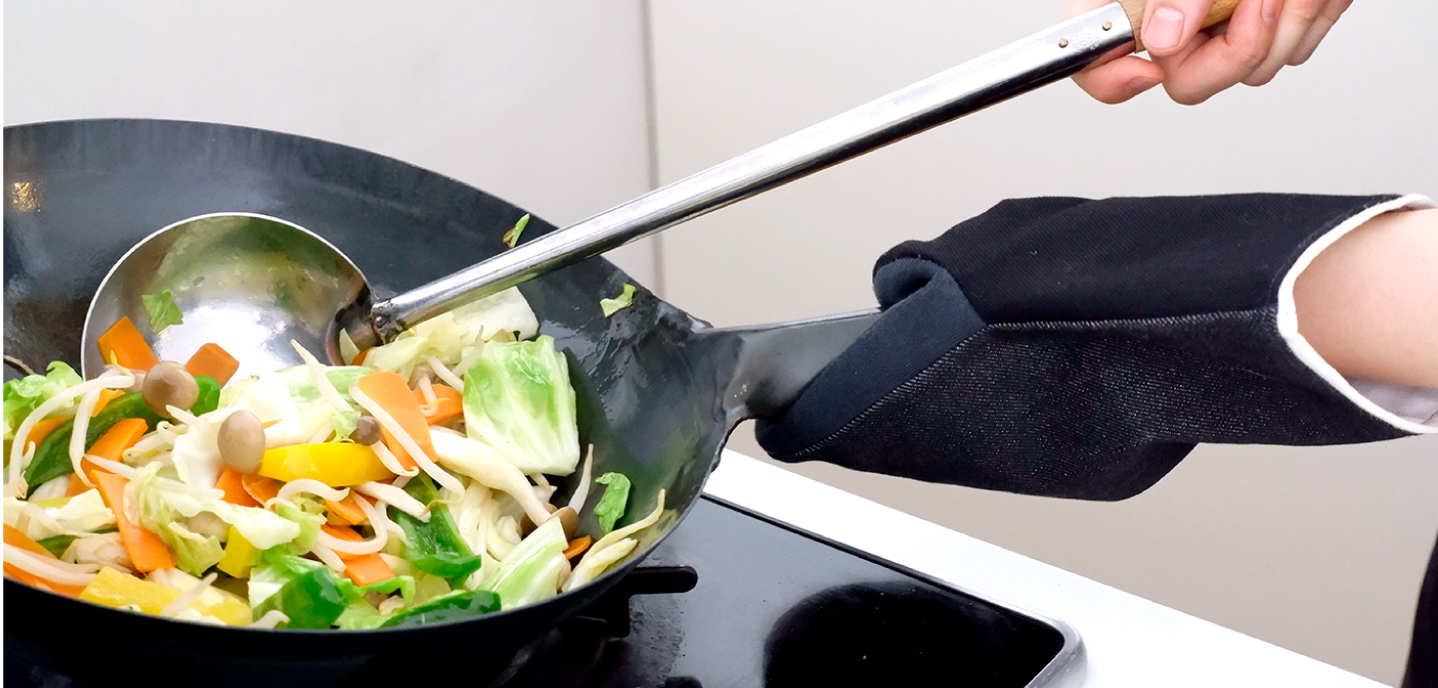
"Iron frying pans have a reputation for sticking, but if handled properly, they won't stick," says Higuchi. By sufficiently heating the frying pan before adding oil and letting it cool slightly, even a small amount of oil will prevent sticking. For home stoves, the timing of the sensor beeping serves as a heating guideline. Spread the meat, which has been dusted with potato starch on one side, in the frying pan and cook over medium to high heat.

Carefully observe the meat, and when juices start to surface, it's time to flip it. After flipping, remove it from the heat and add seasonings while cooking through with residual heat, and it will be done in no time.

Iron frying pans have high heat retention, so they continue to cook with residual heat.

For seasoning, Higuchi adds a touch of Tabasco as a secret ingredient. By adding acidity with Tabasco to the sweetness of mirin and sugar, it creates a well-balanced flavor.
Participants practice
After the lecture, everyone splits into groups to practice.


Even starting to cook from a cooled frying pan, the meat was cooked perfectly without sticking due to the pre-seasoned oil. Additionally, starting the heat after arranging the meat allows for a more relaxed cooking process. The combination of the high heat retention of the iron frying pan and the meat resulted in delicious ginger pork being prepared one after another.


During the final Q&A session, there were questions about caring for the frying pan. "The best way to prevent rust is to use it often," says Higuchi. Even if it gets burnt or rusted, it can still be used again by sanding it down, which is one of the advantages of iron frying pans. As long as you remember basic points like "don't leave food in it" and "dry it over heat after use," it's not as difficult to handle as one might think.
The next theme will be "Deba Knife and Sliced Horse Mackerel." We will learn the basics of filleting fish while preparing dishes using horse mackerel.


